Your cart is empty


Total: 2839
/
2839
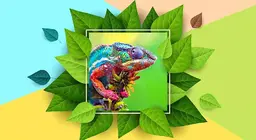
A few examples of animals and plants that can change their colour.
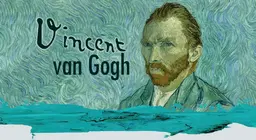
Meet Vincent van Gogh, one of the greatest figures of post-impressionist art.
Learn about redox reactions through well-known and lesser-known chemical processes.
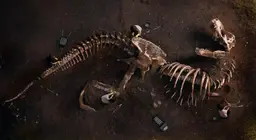
A lesson about the formation, types and importance of fossils.
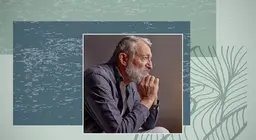
The average life conditions are relatively good in developed countries, however, they must face numerous population problems. How do they cope with these?
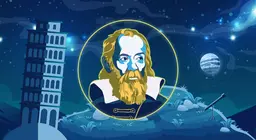
Albert Einstein called him the 'father of modern science' because he managed to unite measuring, calculation and thinking.
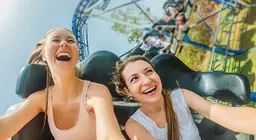
Amusement parks are not only fun, but you can also find the answers to some scientific questions there.
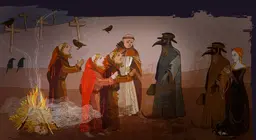
The Decameron, one of the greatest Renaissance literary works was inspired by a plague pandemic that occurred in the 14th century.
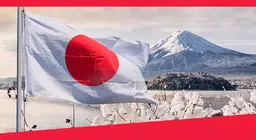
In this lesson, you will learn about the natural and social geography of Japan, as well as the lifestyle of Japanese people.
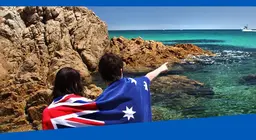
In this lesson, you will learn about the natural and social geography of Australia.
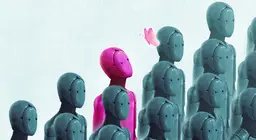
You can learn about a community living in the future that renounced their memories and freedom in order to create a perfect society.
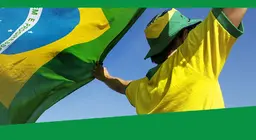
In this lesson, you will learn about the natural and social geography of Brazil, as well as the lifestyle of Brazilian people.
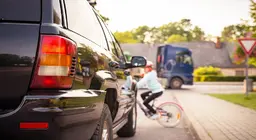
What should you know about speed, braking distance and road traffic safety?
In this lesson, you can learn the chemical definition of density, why it is important to know the density of materials, and how to calculate it.
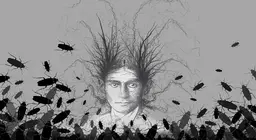
In this novella, Kafka portrays alienation and dehumanisation in both an objective and absurd way.
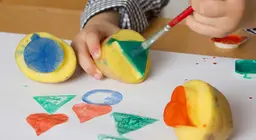
You will learn about geometric shapes using modelling clay and by playing exciting games.
In order to perform experiments, one must know the laboratory equipment, the symbols found on them and the safety rules.
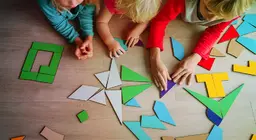
In this lesson, you will learn about circles, squares, rectangles and triangles.
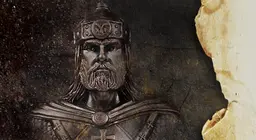
A lesson about the legendary medieval Bulgarian ruler.
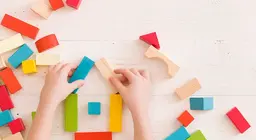
Plane figure or solid? Select, built, colour, play and get to know geometric figures.
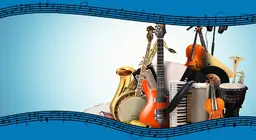
Making musical instruments is both an art and complex science. What scientific laws guide the work of master instrument makers?